Chalk Farm deep cleaning services guide for NW1 homes
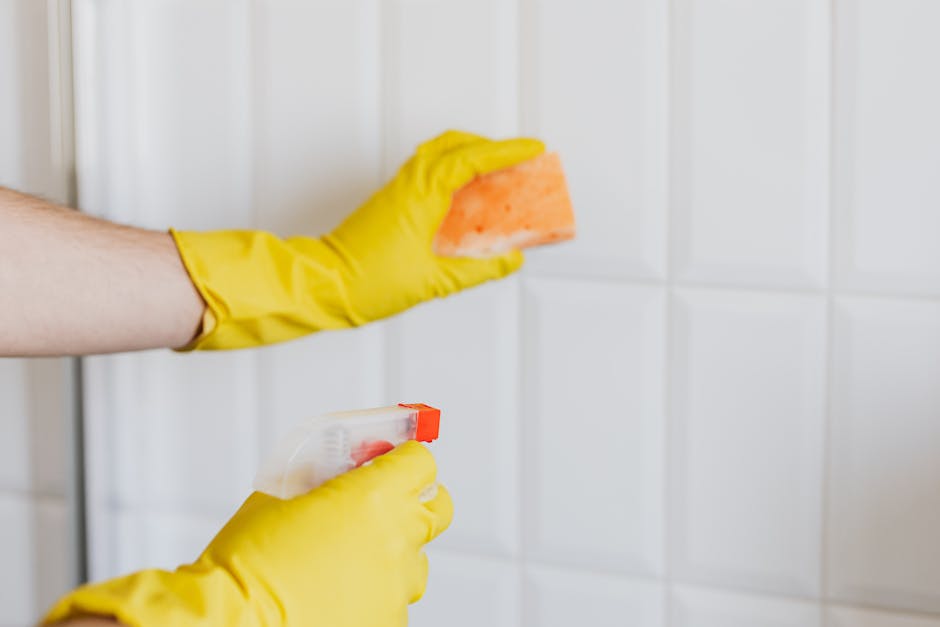
If your NW1 home has reached that point where dust settles faster than you can wipe it away, this guide is for you. A proper Chalk Farm deep cleaning services guide for NW1 homes should do more than list chores; it should help you understand what deep cleaning really means, when it is worth booking, and how to judge a good result. Whether you are settling in after a move, dealing with post-renovation mess, or just trying to reset the place, a thorough clean can make a flat feel breathable again. You notice it in the corners, on skirting boards, behind appliances, and yes, sometimes in the slightly stale smell that lingers on a damp London afternoon.
In the sections below, you will get a practical breakdown of how deep cleaning works, what is usually included, what to ask for, and which mistakes people commonly make. There is also a checklist, a comparison table, and a few real-world pointers that can save time, stress, and a fair bit of guesswork.
- Why deep cleaning matters in Chalk Farm homes
- How the process works
- Key benefits and practical advantages
- Who this is for and when it makes sense
- Step-by-step guidance
- Expert tips for better results
- Common mistakes to avoid
- Tools, resources and recommendations
- Law, compliance and best practice
- Options and comparison table
- Case study or real-world example
- Practical checklist
- Conclusion
- Frequently asked questions
Why Chalk Farm deep cleaning services guide for NW1 homes Matters
Chalk Farm and the wider NW1 area have a mix of compact flats, older conversions, purpose-built apartments, and busy family homes. That mix matters because deep cleaning needs are rarely one-size-fits-all. A top-floor flat with limited ventilation behaves differently from a garden-level home, and a property with original features needs a different approach from a newer build with sealed surfaces and fitted storage. A standard tidy-up can make things look fine for a day. A deep clean changes the feel of the home.
Deep cleaning is especially useful when grime is no longer sitting only on visible surfaces. It gets into places routine cleaning misses: the backs of radiators, taps that have gone cloudy, extractor fans, the edge of a hob, the grouting around tiles, the line where dust meets skirting. It is not about perfection for the sake of it. It is about removing built-up residue, allergens, and hidden dirt that can quietly affect comfort.
In a neighbourhood like Chalk Farm, timing also matters. Homes here can be busy, lived-in, and sometimes let on short notice. You may have incoming guests, a tenancy inspection, a move-out deadline, or simply the need to reset after a long winter. That is where a deeper, more methodical clean earns its keep. To be fair, nobody wants to spend a Saturday scrubbing behind the oven if it can be helped.
For many readers, the real issue is not whether the home looks messy. It is whether the home feels clean. Those are not the same thing.
How Chalk Farm deep cleaning services guide for NW1 homes Works
A proper deep clean is usually planned room by room, with attention to detail and sensible sequencing. That matters because cleaning a kitchen properly, for example, often means starting high and ending low: extraction areas first, worktops next, then cupboard fronts, splashbacks, appliances, and floors last. If you clean in the wrong order, you end up moving dust and grease around. Slightly maddening, really.
Most deep cleaning jobs begin with a walkthrough or checklist. The cleaner needs to understand the size of the property, the level of build-up, and any delicate surfaces or access issues. In NW1 homes, access can be a practical issue in itself: tight staircases, limited parking, smaller lifts, or restricted entry windows can all affect scheduling and setup. The more clearly the job is scoped, the smoother it goes.
Deep cleaning usually focuses on areas that collect hidden dirt over time. Think of it as a reset rather than maintenance. It often includes:
- kitchen degreasing, including cupboard exteriors and splashbacks
- bathroom descaling, sanitising, and polishing
- dust removal from skirting boards, ledges, light switches, and sockets
- vacuuming and mopping of floors with attention to edges and corners
- wiping internal doors, handles, and high-touch points
- spot-cleaning marks on walls where appropriate
- appliance cleaning, such as ovens, fridges, and extractor hoods where agreed
If you want a deeper service scope, it helps to look at a dedicated deep cleaning service alongside related add-ons such as oven cleaning, carpet cleaning, or window cleaning. Those extras are not always necessary, but in some homes they make the difference between a decent result and a genuinely fresh one.
One small but important detail: a good deep clean is not just about products. Technique matters. A cleaner can use excellent equipment and still miss the job if they rush the sequence or fail to dwell long enough on problem spots.
Key Benefits and Practical Advantages
The obvious benefit is a cleaner home. The less obvious ones are often the ones people feel most strongly. A deep clean can reduce the sense of clutter, improve how a room smells, and make ordinary upkeep easier afterwards. Once built-up grease or soap residue is removed, future cleaning takes less effort. That is a quiet win, but a real one.
Here are the practical advantages many NW1 homeowners notice:
- Better hygiene: especially in kitchens, bathrooms, and shared entry areas.
- Less visible wear: grime can make a property look older than it is.
- Improved comfort: a cleaner space simply feels calmer to live in.
- Stronger first impressions: useful for guests, buyers, tenants, or landlords.
- Easier maintenance: a reset makes routine cleaning much less painful.
- Better support for moving: especially when paired with move out cleaning or move in cleaning.
There is also a psychological benefit people rarely mention out loud. A properly cleaned home can make you feel more on top of life. Not glamorous, perhaps. But true. A clean kitchen after a long commute, the smell of fresh surfaces after the windows have been opened for half an hour, the absence of that sticky patch by the hob... it all adds up.
If you are deciding between routine cleaning and a more intensive service, ask yourself one question: do I need maintenance, or do I need a reset? That usually answers a lot.
Who This Is For and When It Makes Sense
This guide is most useful if you live in a Chalk Farm or NW1 home that needs more than a weekly tidy. The service makes sense for a wide range of situations, and the best time to book is often earlier than people think.
It is a strong option for:
- homeowners preparing for guests, family visits, or special occasions
- tenants who want the property to be in better shape before inspection
- people moving in who do not want to unpack into someone else's leftovers
- households that have fallen behind during a busy season
- landlords or managing agents needing a proper reset between occupancies
- anyone with dust sensitivity, where cleaner surfaces genuinely matter day to day
It can also be worth considering after building work. Even minor renovations leave a fine dust that seems to travel everywhere. A targeted after builders cleaning service is often the smarter choice in that case, because ordinary domestic cleaning will not always shift plaster dust from trims, ledges, and fittings.
If your property is used for short lets or guest stays, the needs are different again. Turnaround speed, presentation, and consistency matter a lot, so a service like Airbnb cleaning may suit you better than a general deep clean. Same home, different objective.
Truth be told, the best clue is how much of the job has crept beyond the reach of your regular routine. If you keep noticing the same greasy hinge, the same limescale ring, or the same layer of dust on the top of a wardrobe, it is probably time.
Step-by-Step Guidance
If you are booking a deep clean for the first time, it helps to know what should happen in a sensible order. A structured process makes the service more predictable and easier to review afterwards.
- Assess the property. Walk through each room and note problem areas, fragile items, and access constraints.
- Set priorities. Decide what must be completed and what is optional, such as oven detailing or internal windows.
- Clear clutter where possible. The more surfaces are accessible, the more thorough the result.
- Start with dust and dry debris. This prevents smearing and avoids recontaminating cleaned surfaces.
- Work from top to bottom. Shelves, fixtures, and fittings first; floors last.
- Focus on kitchens and bathrooms. These areas usually need the most intensive treatment.
- Finish with floors, touchpoints, and inspection. Doors, handles, switches, and floors are the final check.
For many homes, a sensible follow-up is routine upkeep. That could be regular cleaning if you want the place maintained, or a one-off cleaning visit if you just need occasional support. In practice, a deep clean followed by lighter maintenance is often the easiest way to keep things under control.
Here is the part people sometimes overlook: communication. If you want limescale tackled but do not want harsh odours left behind, say so. If you have a delicate surface, say so. If you are working from home and need the bedroom left until last, say so. Clear instructions save everyone time. Easy enough, but it makes a big difference.
Expert Tips for Better Results
After plenty of real homes and real mess, a few patterns become obvious. These are the small decisions that often separate an average clean from a genuinely satisfying one.
- Declutter before the visit. Cleaner surfaces are easier to work on, and you get a more complete result.
- Open a few windows if weather allows. Fresh air helps the place feel cleaner faster, especially after bathroom or kitchen work.
- Be specific about priority rooms. If the kitchen matters most, say it up front. Do not bury the lead.
- Ask about product suitability. This matters for natural stone, wood finishes, and older fittings.
- Combine services where sensible. For example, carpets, rugs, or upholstery may need separate treatment.
- Do not wait for "the perfect time". In real life, the perfect time rarely arrives. Book when the mess is starting to affect daily life.
It is also wise to think in layers. A deep clean handles the structural grime. Add-on treatments handle soft furnishings or specialist materials. If your sofa has absorbed years of coffee, pets, and Friday-night life, a dedicated sofa cleaning or upholstery cleaning service may be a better fit than standard surface wiping. Same with an old rug that has lost its colour under a film of dust and foot traffic; rug cleaning can really change the room.
A small but honest tip: do not expect a deep clean to fix damage. It can remove dirt, marks, and build-up. It cannot turn worn grout into new grout. That sort of promise should make you suspicious anyway.
Common Mistakes to Avoid
People usually do not get deep cleaning wrong because they do not care. They get it wrong because they underestimate the job. Fair enough. Homes are busy places. But a few common mistakes are worth avoiding.
- Booking too little time. A rushed clean usually misses the edges, and edges are where the dirt hides.
- Assuming all services are identical. A deep clean, domestic clean, and move-related clean are not the same thing.
- Forgetting specialist areas. Ovens, blinds, extractor fans, and internal glass need specific attention.
- Not mentioning fragile finishes. Matte surfaces, untreated wood, and stone can need gentler handling.
- Leaving clutter everywhere. It slows the work and limits the result.
- Ignoring follow-up maintenance. If you do not keep up with basics, the home will drift back quickly.
Another mistake is choosing the wrong service for the situation. If a property is empty and being handed over, end of tenancy cleaning or move out cleaning may be more suitable than a general deep clean. Likewise, if you are about to move into a new place and want it fresh before boxes arrive, move in cleaning is usually the smarter route.
Sometimes the hardest part is simply naming the problem accurately. Once you do that, the solution becomes much easier.
Tools, Resources and Recommendations
You do not need a cupboard full of specialist kit to understand or prepare for a deep clean, but a few basics are genuinely useful. Even if you are hiring help, these items make it easier to inspect the result and maintain it afterwards.
- Microfibre cloths: good for dusting without pushing residue around.
- Vacuum with attachments: especially useful for corners, vents, and skirting lines.
- Non-abrasive sponges: safer for most kitchen and bathroom surfaces.
- Rubber gloves: handy for extended bathroom or degreasing tasks.
- Soft brush: useful for grouted edges and detailing around fittings.
- Checklist or room notes: surprisingly useful if several people are involved.
For households that prefer to keep on top of things week by week, pairing a deep clean with house cleaning or domestic cleaning can make life easier. It means less build-up next time, and less chance of the home slipping into that vague state where nothing feels properly clean but nothing feels obviously dirty either.
If you are comparing service options, also think about where the mess really sits. Carpet pile needs different care from a tiled hallway; soft furnishings need different treatment from a hob; communal hallways need different planning again. For shared buildings, communal area cleaning may be more relevant than an individual home clean. For workplaces, obviously, office cleaning is the better match. Same general principle, different environment.
And yes, a good hoover still matters. Not very glamorous, but it does.
Law, Compliance, Standards, or Best Practice
For most homeowners, the practical side matters more than the legal side. Still, it is sensible to choose a provider that takes health, safety, insurance, and privacy seriously. In the UK, that usually means the business should have clear internal policies, suitable insurance, safe handling procedures, and sensible treatment of personal property. You do not need a law degree to ask for those basics.
Best practice in domestic cleaning usually includes:
- careful use of products on different materials
- attention to manual handling and slip risks
- respect for privacy and access arrangements
- clear communication about what is included
- reasonable care around electrics, fittings, and fragile surfaces
If you want to check how a provider approaches these matters, pages such as health and safety policy, insurance and safety information, payment and security, and privacy policy are sensible places to look. They do not replace a conversation, but they do show whether the business is organised and careful.
For clients who are especially concerned about sustainability, it may also help to read a provider's recycling and sustainability information. That can give you a better sense of waste handling, product choice, and general environmental practice. Not every home needs the same approach, but it is nice to know the service thinks about the aftermath as well as the shine.
One more thing: if there is ever a concern or a mismatch in expectations, clear complaint handling and transparent terms are part of good service culture. That is just good business, plain and simple.
Options, Methods, or Comparison Table
Different cleaning options serve different purposes. The right choice depends on the condition of the home, the deadline, and how much detail you need.
| Service type | Best for | Typical focus | When it may be the better choice |
|---|---|---|---|
| Deep cleaning | Homes needing a full reset | Built-up dirt, high-touch areas, kitchen and bathroom detailing | When routine cleaning is no longer enough |
| Regular cleaning | Ongoing maintenance | Weekly or recurring upkeep | When the home is already in decent condition |
| One-off cleaning | Occasional support | General room-by-room freshen-up | When you need help without committing to a schedule |
| Move-in / move-out cleaning | Property handovers | Empty rooms, cupboards, fixtures, and reset cleaning | When a tenancy, sale, or relocation is underway |
| Specialist add-ons | Targeted problem areas | Ovens, carpets, rugs, sofas, mattresses, windows | When one part of the home needs more than the rest |
If you are unsure, ask yourself what outcome matters most. Fresh appearance? Hygiene reset? Landlord-ready presentation? Less weekly effort? That answer usually points to the right option. A lot of confusion disappears once the goal is clear.
Case Study or Real-World Example
Here is a realistic example based on the kind of home cleaning jobs that come up again and again in NW1.
A couple in a Chalk Farm flat had just finished redecorating the living room and hallway. The work itself was minor, but the dust had spread in a way only DIY dust can. It found the top of door frames, settled on shelf edges, and left a fine film on the skirting boards. The kitchen was fine at a glance, but once the sunlight hit the tiles in the late afternoon, the grease near the hob showed up immediately. You know the sort of thing. Invisible until it isn't.
They booked a deep clean rather than trying to deal with it over several weekends. The priorities were clear: dust removal, kitchen detailing, bathroom descaling, and a proper floor finish. They also asked for the oven and upholstery to be considered separately because those were genuinely more affected than the rest of the home. Sensible, really.
The result was not just cleaner-looking rooms. The flat felt lighter and less stuffy, and they were able to get back to normal routines faster. There was less wiping every day because the build-up had actually been removed. That is the kind of outcome people want, even if they do not always say it that way.
Could they have done it themselves? Of course. But it would probably have taken several long evenings, a couple of half-used bottles of cleaner, and a fair bit of grumbling. Sometimes paying for a proper reset is the more human option.
Practical Checklist
Use this before, during, or after booking a deep clean in Chalk Farm or NW1.
- Identify the rooms that need the most attention.
- Decide whether you need a general deep clean or a move-related service.
- Remove clutter from floors, worktops, and surfaces where possible.
- Note delicate materials, awkward access points, or special instructions.
- Flag any add-ons you want, such as oven, carpet, rug, sofa, or window work.
- Check the provider's health, safety, insurance, privacy, and payment information.
- Ask what is included, what is excluded, and how long the visit should take.
- Make sure someone can provide access if you will not be home.
- Open a few windows afterwards if the weather and security allow it.
- Keep up with light maintenance so the home does not slide back quickly.
That last point matters more than people think. A deep clean is a reset, not a magic spell.
Get a free quote today and see how much you can save.
Conclusion
A good Chalk Farm deep cleaning services guide for NW1 homes should leave you with one simple idea: deep cleaning is about restoring livability, not just making things look presentable for an afternoon. It is a practical way to deal with build-up, improve comfort, and make the whole home easier to manage afterwards. For busy households, moving homes, short-let properties, and older NW1 flats that gather dust in stubborn places, it can be a very worthwhile reset.
The best results usually come from clear priorities, realistic expectations, and a service that understands the difference between a quick tidy and a careful, thorough clean. If you take one thing away from this guide, let it be this: know what problem you are solving, and the rest becomes much easier.
And honestly, there is a quiet satisfaction in walking into a properly cleaned home and noticing that it just feels... right. Fresh air, clear surfaces, less clutter in the background. Small things, but they add up.
Frequently Asked Questions
What does a deep clean usually include in a Chalk Farm home?
It usually includes thorough cleaning of kitchens and bathrooms, dust removal from hard-to-reach areas, wiping skirting boards and touchpoints, floor cleaning, and detailed attention to build-up that routine cleaning often misses.
How is deep cleaning different from regular cleaning?
Regular cleaning focuses on maintenance. Deep cleaning goes further by tackling heavier build-up, detailed fixtures, hidden dust, and the sorts of spots that do not get done every week. It is more intensive and more time-consuming.
When should I book a deep clean for my NW1 home?
It makes sense when the home feels like it needs a reset, after renovations, before or after a move, before guests arrive, or whenever routine cleaning is no longer enough to keep the property feeling fresh.
Is a deep clean worth it for a small flat?
Yes, often more so than in a larger property. Small flats can collect dirt quickly because every surface gets used heavily. A deep clean can make a compact home feel noticeably bigger and more comfortable.
Should I choose move-in cleaning instead of deep cleaning?
If the property is empty and you want it ready before moving in, move in cleaning is often the better fit. If you live there already and need a broader reset, deep cleaning is usually the right option.
Can deep cleaning help before the end of a tenancy?
Yes. If you are preparing to hand a property back, a deep clean can help with presentation and hygiene, while end of tenancy cleaning is often the more targeted choice for move-out obligations.
Do I need to be home during the clean?
Not always. Some people prefer to be there, especially for the first visit, while others arrange access and return later. What matters most is clear instructions and secure access arrangements.
How long does a deep clean take?
It depends on the property size, condition, and any add-ons. A heavily used home will naturally take longer than a lightly lived-in flat. The best way to estimate is by discussing the rooms and the scope in advance.
What should I do before the cleaners arrive?
Clear clutter where you can, secure valuables, note any fragile surfaces, and point out any priority areas. A little prep makes the visit more efficient and helps the cleaner focus on the work that really matters.
Can I add carpet or upholstery cleaning to a deep clean?
Yes, and in many homes it is a smart move. If soft furnishings or floors have visible build-up, separate treatments such as carpet cleaning, sofa cleaning, or upholstery cleaning can make a big difference.
How can I tell if a cleaning provider is trustworthy?
Look for clear information about insurance, safety, privacy, terms, and payments. A reliable provider should be transparent about what is included, how they handle access, and how they deal with questions or concerns.
Will deep cleaning remove every stain?
Not necessarily. Deep cleaning can remove a lot of dirt and residue, but permanent staining, damage, or worn materials may not be fully restorable. It is better to treat stain removal as a separate outcome rather than assume every mark will disappear.
What is the best next step if I'm not sure which service I need?
Start by identifying the main problem: build-up, moving, guest turnover, or maintenance. Then compare the likely fit between deep cleaning, regular cleaning, and move-related options. If the home needs a full reset, deep cleaning is usually the safest place to begin.