Rug Cleaning in Every Home: Practical, Safe, and Effective Ways to Restore Beauty
Why Rug Cleaning Matters for Comfort, Health, and Style
Rug cleaning is one of the most overlooked parts of home care, yet it has a major impact on how a room looks, feels, and smells. Rugs collect dust, pet dander, pollen, food crumbs, spills, and everyday grime. Over time, those particles settle deep into the fibers, making the rug look dull and contributing to indoor air pollution. That is why regular rug cleaning is not just about appearance; it is also about hygiene and long-term fabric care.
When a rug is cleaned properly, it can instantly refresh a space. Colors become brighter, textures feel softer, and the entire room looks more inviting. Whether you have a decorative area rug, a hallway runner, or a family room centerpiece, rug cleaning helps preserve the original beauty of the piece. It also reduces wear caused by abrasive dirt trapped in the pile.
For many homeowners, rug cleaning is part of maintaining a cleaner and more comfortable living environment. In busy households, rugs can take a beating from foot traffic, pets, and children. With the right approach, you can extend the life of your rugs while keeping your home healthier and more pleasant. Professional rug cleaning and careful at-home maintenance both have an important role to play.
Understanding Different Rug Materials
Not all rugs are created equal, and successful rug cleaning starts with understanding the material. Wool, cotton, jute, silk, synthetic fibers, and blends each respond differently to moisture, cleaners, and agitation. A method that works well on one rug may damage another. This is why material awareness is central to safe rug cleaning.
Wool rugs, for example, are durable and naturally resilient, but they can shrink or felt if exposed to harsh chemicals or excessive heat. Silk rugs are delicate and often require specialized handling. Synthetic rugs are usually more forgiving and can tolerate more frequent cleaning, but they still benefit from the right techniques to avoid fiber damage and color fading.
Before starting any rug cleaning routine, check the care label if available, and if you are unsure, test a small hidden area first. Knowing the weave, backing, and dye stability helps prevent mistakes that can lead to permanent damage. Careful rug cleaning begins with informed decisions, especially when dealing with valuable or antique pieces.
Common rug materials and what they need
- Wool: Gentle cleaning, controlled moisture, and low-heat drying
- Cotton: Moderately absorbent, often easier to wash, but prone to shrinking
- Silk: Delicate treatment and minimal water exposure
- Synthetic: Durable, stain-resistant, and suitable for routine cleaning
- Jute and natural fibers: Dry cleaning methods are often safer because moisture can cause staining or distortion
Signs Your Rug Needs Cleaning
Some rugs show obvious signs of dirt, but others hide grime deep in the pile. One of the clearest indicators is a dull appearance. If the colors no longer look fresh, or if the fibers feel sticky, stiff, or rough, your rug probably needs attention. Odors are another common sign, especially in homes with pets, young children, or heavy traffic. Rug cleaning helps eliminate the source of those smells rather than simply masking them.
You may also notice increased sneezing or dust buildup around the rug area. That can signal that the rug is holding onto allergens and debris. Spills that have dried can leave visible marks, but older stains may only become noticeable when sunlight hits them at a certain angle. Regular inspection helps you catch these issues early, before they become more difficult to remove.
If the rug feels heavier than usual or if vacuuming produces more debris than expected, it is likely time for deeper rug cleaning. Waiting too long can allow dirt to settle further into the fibers, making restoration harder. In many cases, timely maintenance prevents the need for aggressive cleaning methods later. Routine rug cleaning is always easier than emergency stain removal.
Common warning signs
- Flattened or matted fibers
- Persistent odors
- Visible dirt lines at the edges
- Stains that keep reappearing
- Increased allergy symptoms near the rug
At-Home Rug Cleaning Methods That Work
At-home rug cleaning can be highly effective when done correctly. For routine maintenance, vacuuming is the foundation. Vacuum both sides of the rug when possible, especially for area rugs that can be lifted. This removes loose soil and prevents particles from grinding deeper into the fibers. For high-traffic homes, vacuuming two to three times a week may be necessary.
Spot cleaning is another valuable part of rug maintenance. When spills happen, blot immediately with a clean cloth rather than rubbing, which can spread the stain and push it deeper. Use a mild cleaner that is appropriate for the rug material. A gentle solution of water and a small amount of dish soap often works for many synthetic rugs, but wool and delicate fibers need more caution.
Deep rug cleaning at home may involve shampooing, steam cleaning, or hand washing, depending on the rug type. Always make sure the rug can handle moisture before proceeding. Use minimal water when possible and dry the rug thoroughly to prevent mold or mildew. Proper drying is just as important as washing in effective rug cleaning.
Simple at-home rug cleaning steps
- Vacuum thoroughly to remove loose dirt.
- Test any cleaner on a hidden spot.
- Blot stains instead of scrubbing.
- Rinse lightly if needed, avoiding excess water.
- Dry the rug completely in a ventilated area.
Why Professional Rug Cleaning Can Make a Difference
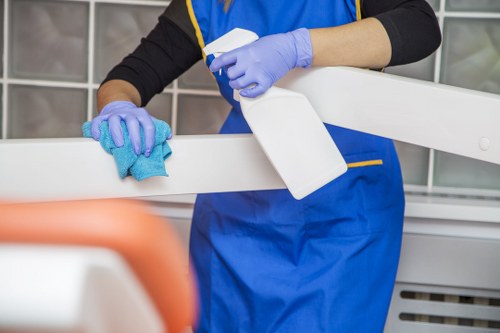
While at-home care is important, professional rug cleaning offers a deeper level of treatment that can be especially beneficial for large, valuable, or heavily soiled rugs. Professionals often use specialized equipment, fiber-safe solutions, and controlled drying techniques that help preserve the structure and appearance of the rug. This can be especially valuable for rugs with delicate dyes or intricate handwoven construction.
Professional rug cleaning is also helpful when dealing with stubborn stains, pet accidents, smoke odors, or embedded soil that regular vacuuming cannot reach. A trained cleaner can identify the material, assess the condition, and choose a suitable process that balances cleaning power with protection. This reduces the risk of damage that often comes from guesswork.
Another major benefit is convenience. Large rugs can be difficult to move, clean, and dry safely at home. A professional service can streamline the process and produce more consistent results. For many households, scheduling periodic professional rug cleaning is a smart investment that helps maintain both appearance and value. Book your service now if your rug needs deep restoration or specialized treatment.
When to consider professional help
- Your rug is antique, handmade, or high-value
- The stain is old, large, or unknown
- The rug has a persistent odor
- You see color bleeding or fiber distortion
- The rug has not been deeply cleaned in years
Common Rug Stains and How to Handle Them
Different stains require different strategies, and fast action is always helpful. Food and beverage spills are among the most common rug cleaning challenges. Coffee, tea, wine, and juice can leave stubborn marks if they are not treated quickly. Blotting immediately with a dry cloth is the first step. After that, use a gentle cleaning solution suitable for the material.
Pet stains are another frequent issue, and they often involve both visible residue and odor. For these situations, rug cleaning should address both the stain and the source of the smell. Enzyme-based cleaners are often helpful on suitable synthetic rugs because they target organic matter. However, always check whether the product is safe for the specific rug fiber.
Grease, ink, and mud each need different approaches too. Mud should be allowed to dry before vacuuming, while grease often responds better to absorbent powders and mild detergent solutions. Ink may require specialist treatment, particularly on delicate or dyed rugs. The key to successful rug cleaning is matching the method to the stain, not using a one-size-fits-all approach.
Useful stain-response tips
- Blot, do not rub
- Work from the outside of the stain inward
- Use small amounts of cleaner first
- Avoid soaking the backing
- Dry the area thoroughly after treatment
How Often Should You Clean a Rug?
The ideal rug cleaning schedule depends on traffic, material, and location. A rug in a busy living room will need more frequent attention than one in a guest room. As a general rule, vacuuming weekly is a good starting point, while deeper rug cleaning may be needed every 6 to 12 months. Homes with pets, allergy concerns, or children may benefit from more frequent care.
Seasonal changes can also influence cleaning needs. During rainy months, rugs may collect extra moisture and dirt from shoes. In pollen season, fibers can trap allergens more easily. In these cases, more regular rug cleaning can help maintain a cleaner indoor environment. Entryway rugs and hallway runners often require the most attention because they catch debris before it spreads through the home.
Rather than waiting for the rug to look dirty, it is better to create a maintenance schedule. This proactive approach helps preserve fiber strength and minimizes the chance of long-term buildup. Consistent rug cleaning protects both appearance and durability, making it a wise part of home care.
Drying, Deodorizing, and Finishing Touches
Cleaning is only part of the process. Drying is equally important because moisture left in a rug can lead to mildew, odors, and fiber damage. After rug cleaning, place the rug in a well-ventilated area and allow air circulation on both sides if possible. Fans can help speed up the process, and sunlight may be useful for some rugs, though too much direct sun can fade colors.
Deodorizing should be done with care. Baking soda is often used for odor control on many rugs, but it should be tested first and thoroughly vacuumed afterward. For stronger odors, particularly pet-related smells, deeper rug cleaning is usually more effective than using fragrance-based sprays. Fragrances may temporarily mask odors but will not remove the source.
Once dry, brush the fibers gently if appropriate for the material to help restore texture. Rotate the rug to even out wear and prevent one section from fading or flattening faster than the rest. These finishing touches make rug cleaning more effective and help keep the rug looking its best for longer. Good aftercare matters just as much as the wash itself.
Rug Cleaning Mistakes to Avoid
Many rug problems come from avoidable mistakes. One of the biggest is using too much water. Oversaturating a rug can damage the backing, encourage mold growth, and cause dyes to bleed. Another common error is scrubbing aggressively, which can weaken fibers and spread stains deeper into the pile. Gentle handling is essential in effective rug cleaning.
Using the wrong product is another risk. Household cleaners that work on hard surfaces may be too harsh for textiles. Bleach and strong solvents can discolor or weaken many rug materials. Even “all-purpose” products should be used carefully, since rugs vary so much in composition. Before applying anything, make sure it is safe for your rug type.
Neglecting proper drying is also a serious issue. A rug that appears clean but remains damp can develop odors quickly. In some cases, the damage may not show immediately. Being patient during the drying phase helps ensure that rug cleaning delivers lasting results rather than temporary improvement. Avoid shortcuts if you want real protection.
Best practices for safer results
- Read care instructions carefully
- Use minimal moisture
- Test products before full use
- Allow complete drying
- Seek expert help for delicate or valuable pieces
How Rug Cleaning Supports a Healthier Home
Beyond aesthetics, rug cleaning contributes to a healthier indoor environment. Rugs act like filters, trapping dust, pollen, pet hair, and other airborne particles. If those particles are not removed regularly, they can recirculate into the air every time someone walks across the rug. For allergy sufferers, that can make a noticeable difference in comfort.
Clean rugs also help reduce buildup in the home overall. A well-maintained rug is less likely to shed trapped debris onto nearby furniture and floors. This can make dusting and vacuuming more effective across the entire room. In families with children, cleaner rugs also create a more inviting surface for play and relaxation.
From a lifestyle standpoint, rug cleaning supports a fresher, more polished atmosphere. Rooms feel brighter, odors are reduced, and guests notice the difference right away. Whether you are caring for a prized heirloom or a practical everyday rug, staying on top of maintenance makes a meaningful difference. Contact us today if you want your rugs to look cleaner, feel softer, and last longer.
Final Thoughts on Keeping Rugs Clean and Beautiful
Rug cleaning is an essential part of maintaining a healthy, attractive, and comfortable home. With the right mix of routine vacuuming, careful stain treatment, and occasional deep cleaning, you can protect your rugs from premature wear and keep them looking their best. Paying attention to material type, moisture levels, and drying time will help you avoid common problems and improve results.
Whether you prefer to handle basic maintenance yourself or rely on expert care for tougher jobs, consistency is the real secret. Rugs that receive regular attention stay cleaner, smell fresher, and contribute more positively to your living space. If your rug has not been cleaned in a while, now is the perfect time to act. Book your service now and give your rug the care it deserves.
Smart rug cleaning is an investment in comfort, cleanliness, and lasting beauty.