Communal Area Cleaning for Safer, Healthier, and Better-Looking Shared Spaces
Communal area cleaning plays a vital role in keeping shared environments fresh, hygienic, and welcoming. Whether it is an apartment block, office building, student accommodation, commercial complex, or mixed-use property, the cleanliness of shared spaces affects everyone who uses them. A well-maintained communal space creates a positive first impression, supports health and safety, and helps preserve the value of the property. In busy buildings, regular communal area cleaning is not just a cosmetic choice; it is an essential part of good property management.
When shared areas are neglected, dust builds up quickly, spills become hazards, and unpleasant odors can spread. High-touch points such as handrails, lift buttons, doors, and switches can also become hygiene risks if they are not cleaned properly. That is why professional communal area cleaning services are in high demand. They help building owners, managers, and residents maintain spaces that feel comfortable, sanitary, and well cared for. If you want consistent results, routine cleaning schedules and the right methods matter just as much as effort.
Modern property occupants expect more than a quick sweep. They want shared hallways, entrances, stairwells, reception areas, and corridors to look presentable every day. Clean communal areas can improve resident satisfaction, support workplace morale, and even contribute to lower maintenance costs over time. For these reasons, investing in reliable communal area cleaning is one of the smartest decisions a property manager can make.
Why Communal Area Cleaning Matters
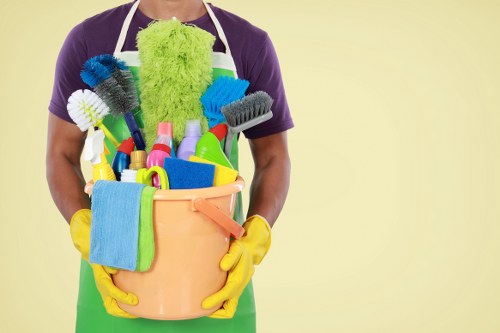
Shared spaces are used by many people, which means they accumulate dirt faster than private rooms. Foot traffic brings in mud, debris, and dust, while air circulation can spread allergens through corridors and lobby areas. Effective communal area cleaning reduces these issues and helps create an environment that feels healthier and more pleasant for everyone.
Beyond appearance, cleanliness affects how people behave and how they view a building. A tidy entrance suggests that management is attentive and that residents or tenants are respected. On the other hand, dirty floors, stained walls, and overflowing bins can give the impression that a property is poorly managed. In this sense, communal area cleaning contributes to both practical hygiene and reputation.
There is also a safety angle. Slippery floors, cluttered stairwells, and dusty surfaces can all lead to accidents or discomfort. With regular communal cleaning, these risks are reduced. A structured cleaning plan helps prevent build-up before it becomes a problem and keeps all shared areas in better condition for longer.
Common Areas That Need Regular Attention

Every property is different, but most communal area cleaning schedules focus on the same key zones. These are the spaces that receive heavy use and are most likely to show dirt quickly. Prioritising these areas ensures the building remains inviting and safe.
1. Entrances and lobbies
Entrances are the first areas people see, so they must be spotless. Door handles, mats, glass panels, floors, and reception desks collect fingerprints, dirt, and moisture. In high-traffic environments, communal area cleaning should include frequent dusting, vacuuming, and sanitising of touchpoints.
2. Hallways and corridors
Hallways often collect dust and marks along skirting boards, walls, and floors. Regular vacuuming, sweeping, mopping, and surface wiping are essential. Well-kept corridors also improve lighting and visibility, making the area feel more open and secure.
3. Stairwells and landings
Stairwells are often overlooked, yet they are among the most important parts of communal area cleaning. Dust, litter, and grime can quickly build up here, especially on stair edges and handrails. Because stairwells are also safety-critical, clean surfaces help reduce trip and slip hazards.
What a Professional Communal Area Cleaning Service Includes

A quality communal area cleaning service does more than basic tidying. It should follow a structured checklist tailored to the property and the level of traffic it receives. The best providers understand that shared environments need both visible cleaning and hygiene-focused attention.
Typical tasks may include vacuuming carpets, mopping hard floors, emptying bins, wiping ledges, cleaning glass, sanitising touchpoints, removing cobwebs, and polishing surfaces. In some buildings, communal cleaning may also involve lift cleaning, mail area maintenance, and spot-cleaning walls or doors. The exact scope should be flexible enough to suit the property while still remaining consistent.
Professional cleaners also bring experience and the right equipment. They know which products are suitable for different surfaces and how to clean efficiently without causing damage. That matters in buildings with marble floors, stainless steel fixtures, glass doors, or sensitive flooring materials. A trained team can deliver high-quality communal area cleaning while protecting the property’s assets.
Health, Hygiene, and the Value of Clean Shared Spaces
One of the biggest benefits of communal area cleaning is improved hygiene. In shared spaces, bacteria and viruses can spread through contact with contaminated surfaces. Regular cleaning and disinfection reduce the chance of germs lingering on surfaces that are touched by many people every day.
This is especially important in residential buildings, offices, healthcare-related facilities, and student housing. In these environments, people may be coming and going throughout the day, which increases the need for frequent cleaning. Hygienic communal area cleaning supports a healthier atmosphere and can help reduce complaints linked to smells, dust, and visible grime.
There is also a psychological benefit. People feel more comfortable in a space that looks and smells clean. Clean communal areas can reduce stress, improve satisfaction, and make people more likely to respect the shared environment. When a property feels cared for, people often care for it too.
How Often Should Communal Area Cleaning Be Done?
There is no single answer that fits every building, because cleaning frequency depends on traffic levels, property type, and seasonal conditions. However, most communal area cleaning plans should be based on regular inspections and a realistic schedule. High-traffic areas often need daily attention, while lower-use spaces may require cleaning several times a week.
For example, a busy apartment block may need daily entrance and hallway cleaning, with stairwells cleaned several times each week. Office buildings may require early-morning or after-hours cleaning to avoid disrupting staff and visitors. In student accommodation, communal cleaning may need to focus on kitchens, corridors, and entry points more frequently during term time. The best approach is always to match the cleaning schedule to actual use.
Seasonal changes can also affect cleaning needs. During wet or muddy months, floors and mats collect debris faster. In warmer periods, odors and dust may become more noticeable. A flexible communal area cleaning schedule can adapt to these changes, keeping standards high all year round.
Key Benefits of Professional Communal Area Cleaning
Hiring a professional team for communal area cleaning offers a range of benefits that go beyond basic tidiness. These advantages can be seen by property owners, residents, tenants, visitors, and maintenance teams alike.
- Improved appearance: Shared areas look brighter, fresher, and more inviting.
- Better hygiene: Regular sanitising reduces the spread of germs and bacteria.
- Safer environments: Clean floors and clear pathways reduce hazards.
- Longer-lasting surfaces: Proper care protects flooring, fixtures, and finishes.
- Positive impressions: Clean communal spaces reflect well on the whole building.
- Reduced complaints: Residents and tenants are less likely to raise issues about dirt or odor.
Another major advantage is consistency. When cleaning is done by a trained and reliable team, standards stay steady from week to week. That consistency is a big reason why many property managers choose professional communal area cleaning services instead of relying on occasional ad hoc maintenance.
There is also better accountability. A cleaning plan with clear tasks and schedules makes it easier to monitor quality and identify areas that need more attention. Over time, this helps create a more organised and efficient maintenance routine.
Challenges That Can Affect Communal Area Cleaning
Shared spaces can be challenging to maintain, especially in buildings with many occupants. High footfall, inconsistent use, and different expectations from residents or tenants can all make cleaning more complicated. Recognising these challenges helps create a stronger cleaning strategy.
Heavy foot traffic
The more people who use a communal area, the faster dirt will accumulate. This is especially true for entryways and corridors. Frequent communal area cleaning is needed to stay ahead of the mess and keep surfaces presentable.
Weather-related dirt
Rain, snow, and mud can be tracked into buildings, especially in winter. Mats, floor protection, and more frequent cleaning can help manage the problem. In many cases, weather-responsive communal cleaning is essential for maintaining standards.
Different user habits
Some people keep shared spaces tidy, while others may leave litter or spill drinks. This means cleaners need to address both general dirt and occasional spot issues. A flexible approach to communal area cleaning helps deal with these unpredictable problems.
Best Practices for Effective Communal Area Cleaning
To achieve the best results, communal area cleaning should be organised, consistent, and tailored to the building’s needs. Strong cleaning practices make a visible difference and support better long-term maintenance.
- Create a detailed checklist: Break down tasks by area so nothing gets missed.
- Use the right products: Surface-safe cleaners protect floors, glass, and fixtures.
- Focus on high-touch points: Disinfect handles, switches, buttons, and railings.
- Schedule regular deep cleans: Go beyond daily upkeep with more thorough cleaning.
- Monitor quality: Inspect work regularly and update the plan when needed.
- Respond to seasonal changes: Adjust cleaning frequency during wet or busy periods.
It is also smart to document cleaning routines. Records help ensure tasks are completed and allow property managers to track recurring issues. When a communal area cleaning system is structured properly, it becomes much easier to maintain high standards throughout the year.
For buildings with specific needs, such as carpets, elevators, or glass-heavy entrances, the cleaning plan should include specialist methods where required. The aim is not only to make the area look clean but to keep it in excellent condition over time.
Communal Area Cleaning for Different Property Types
Not all buildings require the same level of attention. Communal area cleaning should reflect the purpose and traffic of the property. A residential block, for example, will have different priorities from an office complex or retail space.
Residential buildings
In apartment blocks and housing developments, entrances, staircases, lifts, and hallways are usually the main focus. Residents value quiet, tidy surroundings and hygienic shared spaces. Regular communal area cleaning also helps reduce disputes about shared responsibility.
Commercial properties
Office buildings need cleaning that fits business hours and maintains a professional appearance. Reception areas, corridors, meeting-space entrances, and lift lobbies often require daily care. In these buildings, communal area cleaning supports both client impressions and staff wellbeing.
Mixed-use developments
These properties often have a combination of residential, retail, and office traffic. That makes a flexible cleaning schedule essential. Different parts of the building may need different service levels, and communal cleaning should be adjusted accordingly.
Choosing the Right Communal Area Cleaning Provider
When selecting a provider, it helps to look beyond price alone. The cheapest option may not offer the consistency, professionalism, or adaptability needed for a busy property. A reliable communal area cleaning provider should understand the building’s layout, traffic levels, and expectations.
Look for a team that offers flexible scheduling, trained staff, clear checklists, and attention to detail. It is also useful if they can tailor services to your property type and adjust the frequency when needed. Good communication and transparent service standards are both important in maintaining long-term results.
You should also ask whether the provider uses environmentally responsible products where appropriate. Many properties now prefer eco-friendly communal area cleaning because it helps reduce harsh chemical exposure while still delivering a strong clean. This can be especially beneficial in residential settings, schools, and workplaces with frequent use.
How Communal Area Cleaning Supports Property Value
Clean shared spaces do more than improve appearance; they help protect the value of the building. Well-maintained floors, walls, fixtures, and glass are less likely to suffer long-term damage when cleaned regularly. That reduces repair costs and helps preserve the property’s overall condition.
Potential buyers, tenants, and visitors often notice the state of communal spaces before they see individual units or rooms. A fresh and orderly entrance can signal that the property is cared for, which can strengthen confidence in the building as a whole. In this way, communal area cleaning supports both immediate presentation and long-term market appeal.
For property managers, this makes communal cleaning a practical investment rather than just an expense. It helps reduce wear, prevent complaints, and maintain a standard that reflects well on the entire site. Clean shared areas are part of what makes a building feel well managed.
Practical Tips to Keep Communal Areas Cleaner Between Visits
Even with professional communal area cleaning, daily habits play a big role in keeping shared spaces presentable. Small actions by occupants and management can make the cleaning schedule more effective and reduce the speed at which dirt builds up.
- Place durable mats at entrances to trap dirt and moisture.
- Encourage residents or staff to report spills promptly.
- Keep bins accessible and emptied regularly.
- Use clear signage to promote tidy shared use.
- Ensure lighting is adequate so dirt and damage are easier to spot.
- Schedule occasional inspections to catch maintenance issues early.
These simple measures support the cleaning team and help maintain a cleaner environment between service visits. When combined with structured communal area cleaning, they create a much more stable standard of presentation and hygiene.
Why Consistency Matters in Communal Area Cleaning
One-off cleaning can improve appearance temporarily, but consistency delivers lasting results. Shared spaces are used every day, so they need a cleaning plan that is dependable and repeatable. Regular communal area cleaning prevents build-up from becoming overwhelming and keeps standards steady.
Consistency also builds trust. Residents, tenants, and visitors quickly notice when a building is cared for on a regular basis. That sense of reliability can improve satisfaction and reduce complaints. Over time, the building feels more organised, more welcoming, and more professionally managed.
This is why many property managers prefer ongoing service contracts instead of reactive cleaning. A fixed routine ensures that no area is forgotten and that the property always presents well. If you want dependable results, book your service now and make communal area cleaning a priority rather than an afterthought.
Final Thoughts on Communal Area Cleaning
Communal area cleaning is one of the most important parts of maintaining a shared building. It supports hygiene, safety, appearance, and long-term property value all at once. From entrances and corridors to stairwells and lifts, every common space benefits from regular, thoughtful attention.
By choosing the right schedule, using suitable cleaning methods, and focusing on high-traffic areas, property managers can keep communal spaces looking their best. Clean shared areas help create a better experience for everyone who lives, works, or visits the property. That is why professional communal area cleaning remains such a valuable service across residential and commercial settings.
If your building could benefit from a cleaner, fresher, and more professional appearance, contact us today to arrange a service that fits your needs. A well-maintained communal space is not only easier to enjoy; it is easier to manage, safer to use, and better for everyone involved.