Oven Cleaning: A Practical, Professional Approach to a Fresher Kitchen
Oven cleaning is one of those household tasks that often gets pushed to the bottom of the list, yet it has a big impact on how your kitchen looks, smells, and functions. A clean oven can improve cooking results, reduce smoke, and help your appliance run more efficiently. Whether you cook every day or only on weekends, regular oven cleaning makes a noticeable difference.
Many homeowners search for oven cleaning solutions when burnt grease, stubborn spills, and baked-on food start affecting performance. The good news is that oven cleaning does not have to be stressful. With the right method, the right products, and a little routine maintenance, you can keep your oven in excellent condition and avoid heavy buildup.
If you are looking for an effective way to manage oven cleaning without wasting time or damaging your appliance, this article covers everything you need to know. From preparation and safe cleaning techniques to maintenance habits and when to call in professionals, you will find practical advice that works for modern kitchens.
Why Oven Cleaning Matters More Than You Think

Oven cleaning is not only about appearance. A dirty oven can affect the taste of food, cause unpleasant odors, and create smoke during cooking. Grease and food residue can also become a fire risk if they are allowed to build up for too long. That is why consistent oven cleaning should be part of every household’s kitchen routine.
When an oven is neglected, residue can harden and become more difficult to remove. This means each cleaning session takes longer and may require stronger products or more effort. Regular oven cleaning helps prevent that buildup and keeps the appliance easier to maintain over time.
Another important benefit is energy efficiency. A well-maintained oven often heats more evenly and performs better, which can support better cooking results. In other words, oven cleaning is not just a chore; it is a smart investment in your kitchen’s performance and safety.
Signs Your Oven Needs Attention
Common warning signs
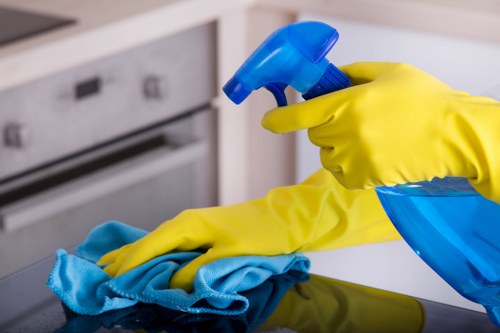
It is easy to ignore the early signs that your oven needs cleaning, especially when the dirt is hidden behind the door or on the racks. However, certain indicators clearly show it is time to take action. If you notice smoke during normal cooking, unusual smells, or dark stains on the oven floor, oven cleaning should move to the top of your list.
Another sign is uneven cooking. If food is browning inconsistently or taking longer than usual, residue and grease buildup may be affecting heat circulation. A dirty glass door can also make it hard to monitor your food, which can lead to overcooking or extra energy use.
Look out for sticky racks, burnt-on drips, and a lingering greasy smell even after the oven has cooled. These are all clues that thorough oven cleaning is needed. Acting early can help you avoid a more difficult deep clean later.
Simple checks you can do at home
- Inspect the oven door glass for haze or stains.
- Check the bottom of the oven for spilled food or hardened residue.
- Smell for burnt grease when the oven is running.
- Look at the racks for dark buildup or sticky patches.
Preparing for Oven Cleaning the Right Way

Before you begin oven cleaning, preparation is essential. Start by switching off the oven and letting it cool completely. Cleaning a warm appliance can be unsafe and may reduce the effectiveness of certain products. Once the oven is cool, remove the racks, trays, and any loose items inside.
Protect the surrounding area by placing towels or newspaper beneath the oven door if needed. Gather your cleaning supplies in advance so you do not have to stop midway through the process. Depending on your method, you may need microfiber cloths, a non-scratch sponge, baking soda, white vinegar, gloves, and warm water.
Taking a few minutes to prepare properly makes oven cleaning easier and more efficient. It also helps protect the finish of your appliance. Good preparation leads to better results and reduces the chance of accidental damage.
What to avoid before you start
- Do not scrub hot surfaces.
- Avoid using metal scourers on delicate coatings.
- Do not mix cleaning chemicals unless the label says it is safe.
- Do not spray cleaner onto electrical components or fans.
Safe and Effective Oven Cleaning Methods
Choosing the right approach
There are several ways to handle oven cleaning, and the best option depends on how dirty the appliance is. Light maintenance may only need warm soapy water and a cloth, while deep oven cleaning may require a baking soda paste or a specialized oven cleaner. The key is choosing a method that removes buildup without harming surfaces.
A popular natural approach uses baking soda and water. Mix the ingredients into a thick paste and apply it to the interior surfaces, avoiding heating elements and vents. Let it sit for several hours or overnight so it can break down grease and grime. Then wipe it away with a damp cloth and finish with a vinegar spray to help lift any remaining residue.
For heavier buildup, a commercial cleaner may be more effective. Always follow the instructions carefully and ensure the kitchen is well ventilated. Wear gloves and avoid inhaling fumes. Whether you choose a natural or commercial product, consistent oven cleaning will make future sessions much easier.
Step-by-step oven cleaning process
- Remove racks and trays.
- Clear out loose debris.
- Apply your chosen cleaning solution.
- Allow time for the product to work.
- Wipe, rinse, and dry thoroughly.
Helpful tip
If grease is especially stubborn, repeat the process instead of scrubbing aggressively. Patience is often safer and more effective than force.
How to Clean Oven Racks, Glass, and Trays
Oven cleaning is more effective when each component is treated properly. Oven racks often collect thick grease and baked-on residue, so they usually need soaking. Fill a bathtub, large sink, or container with warm water and a mild cleaning solution, then let the racks soak before scrubbing gently with a non-abrasive sponge.
Glass doors deserve special care because they can scratch easily. Use a soft cloth and a gentle cleaner to remove smudges and stains. If the glass has heavy buildup, a baking soda paste can help. Apply it carefully, let it sit, and wipe it away with a damp microfiber cloth. Never use harsh pads on oven glass, as they can leave permanent marks.
Trays and enamel parts can usually be cleaned with warm water and dish soap, but always check the manufacturer’s instructions first. Some finishes require specific care. By cleaning these parts separately, you make the overall oven cleaning process more thorough and improve the final result.
Best practices for detachable parts
- Soak before scrubbing when residue is thick.
- Use microfiber cloths for a streak-free finish.
- Dry all pieces fully before reassembling.
- Check seals and edges for hidden debris.
Natural vs Chemical Oven Cleaning: Which Is Better?
When people think about oven cleaning, one of the first questions they ask is whether to use natural products or commercial cleaners. The answer depends on your priorities. Natural methods are often preferred for routine maintenance because they are gentler, affordable, and easy to use. Baking soda, vinegar, lemon juice, and warm water can handle light to moderate buildup.
Chemical cleaners, on the other hand, are often more powerful and may be better for heavily soiled ovens. They can cut through baked-on grease faster, which is useful if the appliance has not been cleaned in a long time. Still, strong products require caution. Proper ventilation, gloves, and careful reading of instructions are essential during oven cleaning with chemical agents.
A balanced approach works well for many households. Use natural methods for regular upkeep and stronger products only when necessary. This keeps oven cleaning manageable while minimizing wear on the appliance and exposure to strong fumes. In many cases, the best strategy is consistency rather than intensity.
Pros and cons at a glance
- Natural methods: safer, lower cost, gentler, but may take longer.
- Chemical methods: faster and more powerful, but require caution and ventilation.
How Often Should You Clean Your Oven?
There is no single schedule that fits every kitchen, but frequency matters. If you cook often, especially meals that splatter or roast at high temperatures, oven cleaning should happen more regularly. Many households benefit from light maintenance every few weeks and a deeper clean every few months.
For occasional users, oven cleaning may be needed less often, but spills should always be wiped up as soon as the oven cools. Fresh spills are far easier to remove than burnt-on residue. That simple habit can dramatically reduce the amount of time needed for future cleaning sessions.
The best schedule is the one you can maintain. Set a reminder if needed so oven cleaning becomes part of your kitchen rhythm. Consistency is the secret to easier upkeep and a fresher cooking environment.
Practical schedule example
- After heavy cooking: quick wipe of the interior once cool.
- Every 2–4 weeks: light maintenance cleaning.
- Every 2–3 months: deeper oven cleaning.
- As needed: cleaning racks, glass, and trays separately.
Common Mistakes to Avoid During Oven Cleaning
Even well-intentioned cleaning can go wrong if the wrong approach is used. One of the most common mistakes is using abrasive tools that damage the finish. Scratches can trap grime more easily, making oven cleaning harder in the long term. Another issue is rushing the process. Cleaning products need time to break down residue properly.
People also sometimes forget to remove loose debris before applying cleaner. This can spread mess around instead of lifting it away. Overusing product is another problem; more cleaner does not always mean better results. In fact, excess solution can leave residue that has to be wiped away multiple times.
Finally, do not overlook the manufacturer’s instructions. Different ovens have different coatings, self-cleaning features, and sensitive parts. Reading those details first helps ensure your oven cleaning method is safe and effective. Thoughtful care always beats guesswork.
Quick mistakes checklist
- Using steel wool on surfaces that can scratch.
- Skipping ventilation when using strong cleaners.
- Cleaning before the oven is fully cool.
- Forgetting to rinse away chemical residue.
Self-Cleaning Ovens: What You Should Know
Many modern appliances include a self-cleaning function, which can be helpful, but it is not a complete replacement for maintenance. Self-cleaning cycles use very high heat to burn away food particles, turning them into ash that can be wiped out afterward. This can reduce the need for manual oven cleaning, especially for interior residue.
However, self-cleaning settings are not always ideal for every situation. They can produce odors, create heat in the kitchen, and sometimes place strain on oven components if used too frequently. That is why many homeowners combine self-cleaning cycles with routine manual oven cleaning for the best outcome.
Before using the feature, check the appliance manual. Remove racks if recommended, ventilate the kitchen, and be prepared for a strong smell during the cycle. Even with this feature, basic oven cleaning habits still matter because spills on the door, racks, and exterior often need separate attention.
When self-cleaning helps most
- When the oven has light internal residue.
- When you want to reduce manual scrubbing.
- When used according to manufacturer instructions.
Professional Oven Cleaning: When It Makes Sense
Sometimes oven cleaning is best left to professionals. If the appliance has thick grease buildup, difficult stains, or lingering odors that do not go away, a professional service may save time and deliver better results. This can also be a practical choice for households with busy schedules or for ovens that need more careful handling.
Professional oven cleaning often uses specialized tools and safe techniques to restore the appliance without unnecessary wear. This can be especially helpful for older ovens, integrated models, or appliances with stubborn residue in hard-to-reach areas. It is also a smart option if you want a thorough result without spending hours scrubbing.
If you are considering outside help, look for a service that focuses on careful, detail-oriented cleaning. Book your service now if you want a cleaner oven and a more convenient kitchen routine. For households that want to save time and get professional results, contact us today and make oven maintenance easier.
Signs you may need expert help
- Burnt-on residue that will not budge.
- Repeated smoke during normal cooking.
- Strong odor after cleaning attempts.
- Time constraints that make deep cleaning difficult.
Keeping Your Oven Cleaner for Longer
Oven cleaning becomes much easier when you build small habits into everyday cooking. Use baking trays or mats to catch drips, clean spills quickly after the oven cools, and avoid overfilling dishes that may bubble over. These simple actions can significantly reduce future buildup.
Another smart habit is to wipe the oven door and handle regularly. These high-touch areas collect grease faster than many people realize. Regular attention keeps the appliance looking better and prevents grime from spreading to other areas in the kitchen. Over time, this makes oven cleaning less of a deep project and more of a simple routine.
It also helps to inspect the oven periodically. A quick look after cooking can alert you to small spills before they harden. That preventive mindset is one of the easiest ways to make oven cleaning more manageable and less time-consuming.
Maintenance habits that help
- Line trays correctly to catch drips.
- Wipe spills promptly once the oven is safe.
- Use lids or covers where appropriate.
- Keep racks and accessories clean between uses.
In the end, regular oven cleaning creates a safer, fresher, and more efficient kitchen. It also improves the cooking experience by reducing smoke, odors, and stubborn buildup. Whether you prefer natural methods, commercial products, or professional support, the key is to stay consistent and use the right approach for your oven.
If your appliance is overdue for attention, now is the perfect time to act. A cleaner oven can make daily cooking easier and your kitchen more enjoyable. Take the next step today, choose the method that fits your needs, and book your service now if you want expert help with oven cleaning.