Deep Cleaning in the Home: A Practical Approach to a Fresher, Healthier Space
What Deep Cleaning Really Means
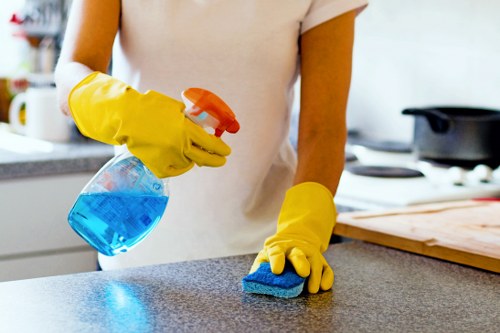
Deep cleaning is more than a quick tidy-up or a surface wipe. It is a focused process designed to remove built-up dirt, grease, dust, and grime from areas that are often overlooked during routine cleaning. When people search for deep cleaning in the home, they usually want more than shiny counters—they want a space that feels genuinely refreshed, healthier, and easier to maintain.
A regular cleaning routine typically handles the visible mess: vacuuming floors, wiping tables, and clearing sinks. Deep cleaning, on the other hand, goes into the corners, behind appliances, along baseboards, inside cabinets, and across high-touch areas where bacteria and allergens can collect. This difference matters because the overall condition of your home affects comfort, indoor air quality, and even how long surfaces and fixtures last.
Deep cleaning in a home environment is often done seasonally, before special events, after renovations, during move-in or move-out, or whenever a space starts to feel neglected. It is also an excellent reset for busy households where everyday upkeep can only go so far. A well-planned deep cleaning session can transform not just the appearance of a room but also the way it feels to live in it.
Why Deep Cleaning Matters for Every Household

One of the biggest reasons people invest in deep cleaning is health. Dust mites, pet dander, pollen, mold spores, and cooking residue can build up in hidden areas over time. For households with children, pets, allergy sufferers, or elderly family members, a thorough clean can make a noticeable difference. The goal is not only to make things look better but also to reduce irritants that can affect daily comfort.
Another benefit is preservation. Floors, countertops, appliances, upholstery, and bathroom surfaces all last longer when they are cleaned properly and regularly. Grease on a stovetop, soap scum on tiles, or dust inside vents can slowly cause wear and tear. With consistent deep cleaning in living spaces, you help protect your investment and avoid costly repairs or replacements later on.
There is also a psychological benefit. A thoroughly cleaned space often feels calmer and more organized. Many people report improved focus, better sleep, and less stress after completing a deep clean. Deep cleaning creates a sense of reset, which can be especially valuable after a hectic season, a big life transition, or simply a period of feeling overwhelmed.
Rooms That Benefit Most from Deep Cleaning
Kitchens, Bathrooms, and High-Traffic Spaces
The kitchen is often the heart of a home, but it is also one of the fastest spaces to accumulate buildup. Grease can collect on cabinet doors, crumbs settle under appliances, and food residue hides in corners. A proper deep cleaning in the kitchen includes degreasing surfaces, scrubbing sinks, cleaning behind large appliances, and sanitizing handles and switches.
Bathrooms require equal attention because moisture creates the perfect environment for soap scum, mildew, and mineral deposits. Deep cleaning bathrooms means tackling grout, shower doors, toilet bases, faucets, drains, and ventilation areas. Attention to detail is essential here because bathrooms are high-use areas that can quickly become unhygienic if neglected.
High-traffic spaces such as entryways, hallways, living rooms, and family rooms also deserve focused care. These rooms gather dust, fingerprints, pet hair, and clutter faster than others. A solid deep cleaning routine in these areas includes baseboards, upholstery, rugs, light fixtures, and vents, helping the entire home feel more polished and breathable.
How to Prepare for a Deep Cleaning Session
Planning Before the Work Begins

Preparation is one of the most important parts of successful deep cleaning. Before starting, it helps to declutter each room so surfaces are easier to access. Put away loose items, sort laundry, clear countertops, and remove anything that blocks corners, shelves, or floors. The less visual clutter you have, the more effective your cleaning will be.
Next, gather the right supplies. Depending on the space, you may need microfiber cloths, scrub brushes, all-purpose cleaner, disinfectant, glass cleaner, baking soda, a vacuum with attachments, a mop, and gloves. For more advanced deep cleaning in the home, you may also want specialty products for grout, stainless steel, wood, or upholstery.
It is smart to make a checklist before you begin. A checklist keeps the process organized and prevents you from missing hidden areas. You can group tasks by room or by surface type. For example, you might handle dusting first, then scrubbing, then vacuuming, then final sanitizing. A clear plan saves time and makes the job feel more manageable.
Helpful preparation steps
- Open windows if weather allows to improve airflow.
- Gather trash bags, boxes, and cleaning tools in advance.
- Move lightweight furniture to reach edges and corners.
- Turn off or unplug appliances before cleaning around them.
- Test new products on a small area before full use.
Room-by-Room Deep Cleaning Priorities
Breaking the Job into Manageable Sections
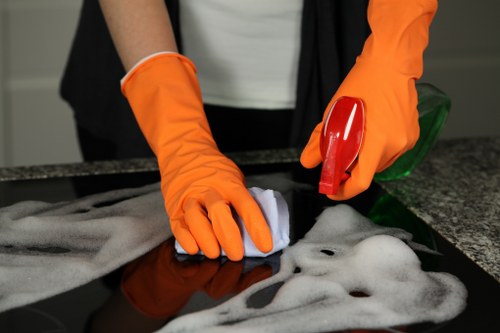
The most efficient way to approach deep cleaning in the home is room by room. This method keeps the process focused and helps you stay motivated because you can see progress as each area is completed. Start with the dirtiest or most used room if it needs the most attention, or begin with a room that gives you a quick win and builds momentum.
In the bedroom, focus on dusting furniture, washing bedding, vacuuming under the bed, wiping light switches, and cleaning mirrors. Mattresses should be vacuumed and rotated if needed. Closets benefit from sorting, vacuuming, and wiping shelves. A bedroom deep clean creates a more restful environment and can improve overall air quality.
In the living room, pay attention to soft furnishings, electronics, shelves, and décor. Dust accumulates on ceiling fans, lampshades, picture frames, and entertainment centers. Upholstery can trap allergens and odors, so vacuuming couches and chairs with the proper attachment is a valuable part of any deep cleaning process.
For dining spaces, inspect chairs, table legs, trim, and flooring beneath and around the table. Food particles often end up in places that are easy to miss. A thorough clean should also include wiping light fixtures, sanitizing table surfaces, and polishing any wood or metal accents appropriately.
Kitchen Deep Cleaning: Where Detail Matters Most
Grease, Grime, and Hidden Residue
Kitchen deep cleaning deserves special attention because this room combines food preparation, heat, moisture, and constant use. Start by emptying cabinets and drawers if possible, then wipe interior surfaces and check for crumbs, spills, or sticky residue. Cabinet fronts, handles, and kick plates should all be cleaned carefully since they collect daily fingerprints and splashes.
Appliances need more than a quick wipe. The oven, stovetop, refrigerator, microwave, and dishwasher all benefit from detailed care. Clean removable parts, scrub racks, and wipe seals and buttons. Deep cleaning in the kitchen also includes the spaces around appliances, where crumbs and grease can hide for months.
Sinks and drains are another major area of focus. Over time, mineral deposits, food particles, and odors can build up in and around the drain. Scrubbing the sink basin, polishing the faucet, and flushing the drain with safe cleaning methods can leave the kitchen feeling noticeably fresher.
Do not forget floors. Kitchen floors often collect sticky residue, tracked-in dirt, and grease splatter. Vacuuming first, then mopping thoroughly, helps lift debris and restore a cleaner finish. If you have tile floors, grout lines may also need special treatment during a deep cleaning session.
Bathroom Deep Cleaning: Hygiene and Freshness Combined
Removing Buildup in Moist Areas
Bathrooms are among the most important areas for deep cleaning because they combine moisture, frequent contact, and enclosed spaces. Start with the shower and tub. Soap scum, water spots, and mildew often appear on tile, glass, curtains, and fixtures. A quality bathroom deep cleaning routine should address all these areas with the right tools and products.
Toilets require detailed attention as well. Clean the base, seat, lid, hinges, handle, and surrounding floor. Many people focus only on the bowl, but the outside surfaces can also harbor germs and odors. A thorough deep cleaning in bathrooms always includes the overlooked areas around and behind the toilet.
Mirrors, sinks, faucets, and counters should be polished so that water spots and residue are removed. Cabinets and drawers often hold expired products, tangled items, and dust, so emptying and wiping them can improve both appearance and usability. Ventilation fans should also be dusted, because good airflow is essential for preventing future buildup.
If you want a bathroom to truly feel refreshed, pay attention to the smallest details. Scrub grout, clean corners, sanitize switches, and wash bath mats and shower curtains. These finishing touches elevate the entire room and make the deep clean more effective overall.
Living Areas, Bedrooms, and Hidden Dust Zones
Often Overlooked but Important
Dust does not simply settle on open surfaces. It hides in vents, behind furniture, on top of cabinets, and inside décor. That is why deep cleaning should always include hidden zones that do not get attention during routine maintenance. Ceiling fans, baseboards, window tracks, blinds, and air returns are all places where dust can quietly build up.
Soft surfaces are equally important. Curtains, rugs, cushions, and upholstery absorb particles from everyday use. Vacuuming with attachments, steaming when appropriate, and laundering washable items can dramatically improve freshness. Fabric care matters because it influences odor, comfort, and cleanliness at the same time.
Under furniture is another common problem area. Moving sofas, beds, and storage units—even if only occasionally—reveals dust bunnies, lost items, pet hair, and debris that ordinary cleaning misses. This is one reason deep cleaning in the home often feels so satisfying: it reaches the areas people usually do not see but still experience indirectly through air quality and overall tidiness.
Areas to remember
- Behind and under major furniture pieces
- Window sills, ledges, and tracks
- Door frames and trim
- Light fixtures and ceiling fans
- Vents, filters, and air returns
Tools and Supplies That Make Deep Cleaning Easier
Choosing the Right Equipment
Using the right tools can make deep cleaning faster, safer, and more effective. Microfiber cloths are a favorite because they trap dust rather than spreading it around. A vacuum with multiple attachments can help clean carpets, upholstery, stairs, and tight crevices. Scrub brushes, sponges, and non-abrasive pads are useful for removing stuck-on residue without damaging surfaces.
Cleaning products should also match the task. All-purpose cleaner works well for many surfaces, while disinfectants are useful for high-touch areas. Glass cleaner helps with mirrors and windows, while specialized products may be needed for wood, stone, stainless steel, or grout. When handling deep cleaning in kitchens and bathrooms, it is especially important to use products suited to the material you are cleaning.
Some households also benefit from steam cleaners, extendable dusters, or carpet tools. These items are not mandatory, but they can improve results in hard-to-reach places. If you are planning recurring deep cleaning services or doing the work yourself, investing in dependable tools often pays off through better consistency and less effort over time.
Deep Cleaning Frequency: How Often Should It Happen?
The ideal schedule for deep cleaning depends on lifestyle, household size, pets, and how heavily each room is used. For many homes, a full deep clean every three to six months is a practical benchmark. High-traffic households, families with pets, or homes with allergy concerns may need more frequent attention.
Some tasks should happen monthly, while others can be seasonal. For example, dusting vents, wiping baseboards, and cleaning under furniture may be done less often than kitchen degreasing or bathroom scrubbing. The key is consistency. A smaller amount of ongoing maintenance reduces how intense the next deep cleaning in the home will be.
It is also helpful to think in terms of events. Before guests arrive, after a renovation, before moving in, or after a long period of illness, a deeper reset may be necessary. By matching the cleaning schedule to your household’s rhythm, you can keep the space comfortable without feeling overwhelmed.
Book your service now if your home needs a true reset, or start building a routine today if you prefer to handle it yourself. Either way, making deep cleaning a regular habit is one of the smartest ways to maintain a healthier, more inviting home.
DIY Deep Cleaning vs. Professional Help
Choosing the Best Option for Your Needs
Many people handle deep cleaning themselves, especially when they have time, energy, and a clear checklist. DIY cleaning offers flexibility and can be cost-effective. It also gives you full control over products, methods, and timing. If you enjoy organizing and maintaining your space, you may find that a self-led approach works very well.
Professional help can be valuable when the job is too large, too detailed, or physically demanding. For example, moving heavy furniture, scrubbing extensive buildup, or cleaning after a major event may be easier with expert assistance. A skilled cleaning team can also reach areas many homeowners overlook and complete the work efficiently.
There is no single right answer. The best choice depends on your priorities, available time, and the condition of the home. Some households use professional services a few times a year and handle lighter maintenance in between. Others prefer to do everything themselves. What matters most is that deep cleaning in the home happens often enough to preserve comfort, hygiene, and order.
How Deep Cleaning Supports a Better Living Environment
Small Actions, Big Impact
A cleaner environment supports better daily living in ways people often underestimate. When dust, grease, and clutter are reduced, rooms feel brighter and more spacious. Surfaces are easier to maintain, smells are less likely to linger, and everyday tasks become simpler. This is one reason deep cleaning is so valuable: it improves the baseline condition of the entire home.
For families, this can mean fewer allergens, healthier routines, and less frustration trying to keep up with constant mess. For busy professionals, it can mean arriving home to a space that feels restful rather than draining. For anyone spending extended time indoors, deep cleaning in the home can contribute to a more pleasant atmosphere that supports everyday wellbeing.
It also supports better organization. When you clean deeply, you naturally notice what you own, what needs repair, what should be discarded, and what can be put away more efficiently. That process can lead to better storage habits and less accumulation over time. In that sense, deep cleaning is not only about sanitation—it is about creating a more functional lifestyle.
Deep cleaning in the home is one of the simplest ways to reset your environment, protect your surfaces, and improve how your space feels day after day. If your rooms are starting to feel dull, dusty, or difficult to maintain, now is the perfect time to take action. Contact us today or Book your service now to give your home the attention it deserves.