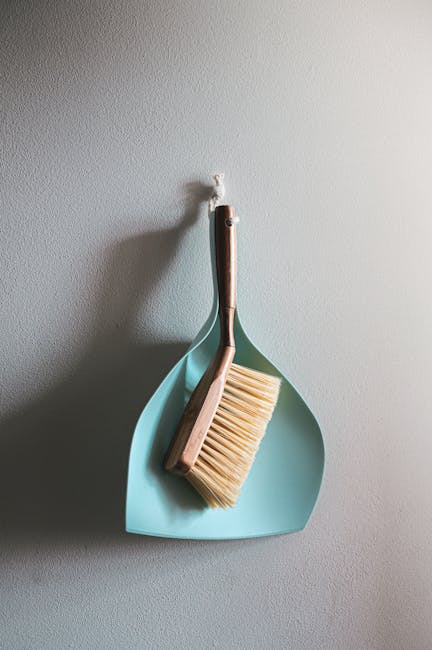
Kentish Town end of tenancy cleaning checklist for landlords
If you rent out property in Kentish Town, the final clean can make or break the handover. A well-planned Kentish Town end of tenancy cleaning checklist for landlords helps you spot what truly matters before the tenant leaves, reduce back-and-forth, and present the property in a condition that feels fair on both sides. No drama, no surprises, just a cleaner handover and fewer last-minute panics. To be fair, the best checks are rarely the glamorous ones. It is the skirting boards, oven seals, shower screens, and dusty tops of cupboards that quietly cause trouble.
This guide breaks the process into landlord-friendly steps: what to check, what to prioritise, where disputes usually start, and when a professional clean makes more sense than a rushed DIY attempt. If you want extra reassurance on standards and scope, you can also review end of tenancy cleaning and deep cleaning as part of your planning.
Table of Contents
- Why this checklist matters
- How the cleaning handover works
- Key benefits and practical advantages
- Who this is for and when it makes sense
- Step-by-step guidance
- Expert tips for better results
- Common mistakes to avoid
- Tools, resources and recommendations
- Law, compliance, standards, and best practice
- Options, methods, and comparison table
- Case study or real-world example
- Practical checklist
- Conclusion
- Frequently asked questions
Why Kentish Town end of tenancy cleaning checklist for landlords Matters
A landlord checklist is not just about making a flat look nice. It is about creating a consistent standard that you can apply across tenancies, so you are not making decisions on the fly when a tenant moves out and the property suddenly needs attention.
In Kentish Town, where homes can range from compact period flats to larger converted spaces, the cleaning issues vary quite a bit. One property may need limescale removal and a careful kitchen reset. Another may need carpet attention, window cleaning, and a proper look at communal entry areas. The point is the same: a structured checklist keeps you in control.
It also helps you separate normal wear and tear from avoidable dirt and neglect. That distinction matters. A light scuff on a wall is one thing. Grease on cabinet doors, mould on shower screens, and crumbs in oven trays are another. When a landlord has a written checklist, the conversation with the outgoing tenant becomes clearer and less emotional. Let's face it, people are more reasonable when the expectations are visible.
If you manage more than one property, a good process also protects your time. You are not trying to remember what was checked in the last tenancy or whether the extractor fan was tested three months ago. You are working from the same standard every time.
How Kentish Town end of tenancy cleaning checklist for landlords Works
The process usually begins before the tenant leaves. That is the part many landlords skip, and then they end up scrambling later. Ideally, you inspect the property, note any issue areas, and decide whether the clean will be tenant-led, landlord-arranged, or handled by a professional team.
A strong checklist works in three stages:
- Pre-inspection - identify the rooms, surfaces, and fittings that need close attention.
- Cleaning and remediation - carry out the clean, arrange any specialist tasks, and deal with obvious missed areas.
- Final comparison - review the cleaned property against the move-in condition, inventory, or baseline standard.
That final comparison is where the value really shows. You are not asking, "Does this look sort of clean?" You are asking, "Does it meet the standard the property was handed over in?" Different landlords answer that differently, but the checklist gives you a consistent framework.
If you work with cleaners, it helps to understand what sits inside a normal move-out cleaning visit versus a broader one-off or deep clean. Some homes need both, especially if there has been heavy use, pets, or a long tenancy.
Key Benefits and Practical Advantages
A good cleaning checklist is not just admin. It gives you practical advantages you can feel almost immediately.
- Fewer disputes - tenants are less likely to argue when expectations were laid out clearly.
- Faster re-letting - clean, fresh properties photograph better and show better, simple as that.
- Better maintenance visibility - a proper end-of-tenancy clean reveals wear, damage, or repairs that may otherwise be hidden.
- More consistent standards - especially helpful if you manage several properties or use different contractors.
- Improved tenant experience - even when a tenancy ends, a respectful handover helps everyone leave on decent terms.
There is another benefit that gets overlooked. A clean, well-documented handover can make the next tenant move-in feel more professional. That matters in local rental markets where first impressions carry real weight. If you are also preparing the place for new occupants, pairing the end clean with move-in cleaning can save you a lot of repeat work.
And yes, sometimes the room looks okay at first glance. Then the afternoon light comes in, and you notice the dust on the blinds. Annoying, but useful. That little moment is exactly why the checklist exists.
Who This Is For and When It Makes Sense
This guide is for landlords, letting agents, property managers, and anyone responsible for checking a rental property at the end of a tenancy in Kentish Town. It is especially useful if you want a repeatable process rather than a vague "give it a clean and hope for the best" approach.
It makes sense when:
- a tenant is due to move out and you need to inspect the condition properly
- you are comparing the final state with the inventory or check-in photos
- the property has been rented for a long time and needs more than a basic tidy-up
- you are re-marketing the property quickly after vacancy
- you want to avoid repeated visits because something obvious was missed
It is also useful for landlords who do a lot themselves. Sometimes that is the right choice, especially for smaller flats. But if the tenancy has left behind stubborn grease, embedded carpet dirt, or bathroom build-up, a specialist clean may be the saner option. There is no prize for doing everything the hard way.
If you manage student lets, short rentals, or mixed-use property, the checklist still works, though you may want to shift the emphasis. For instance, a furnished property often needs more attention on upholstery, mattresses, and soft furnishings than an empty flat would.
Step-by-Step Guidance
Here is the practical version. No fluff.
1. Start with the inventory and move-in record
Before you think about the clean, review the original inventory, photos, and any signed check-in report. That tells you what "clean" looked like when the tenancy started. Without that baseline, a final inspection can drift into opinion rather than evidence.
2. Inspect each room in natural daylight if possible
Morning or early afternoon light reveals dust, streaks, and smudges far better than indoor lighting. If you have ever walked into a kitchen at 9am and suddenly spotted every mark on the glass hob, you will know exactly what I mean.
3. Work top to bottom
Dust falls. Wipe high shelves, tops of cabinets, curtain poles, and light fittings first, then move down to surfaces, fixtures, floors, and skirting boards. This sounds obvious, but it saves time and stops you cleaning the same area twice.
4. Prioritise hygiene-sensitive areas
Bathrooms and kitchens should be tackled first if the property is in poor condition. These rooms show build-up quickly and tend to trigger complaints if they are left half-finished. Pay attention to sink rims, taps, extractor fans, grouting, splashbacks, and appliance interiors.
5. Check hidden problem areas
The obvious things get the attention. The hidden things cause the stress.
- behind and underneath appliances
- inside cupboards and drawers
- around toilet bases
- window tracks and frames
- door handles, switches, and skirting edges
- under beds, sofas, and freestanding furniture
6. Decide what needs specialist help
Some jobs are not really "tenancy clean" tasks anymore. They are specialist tasks. Think stubborn oven grease, carpet stains, heavy limescale, mattress marks, or upholstery that has absorbed odours. In those cases, a targeted service can be more efficient than repeating the same effort with the wrong products. For example, oven cleaning is often worth separating out because ovens can eat time faster than people expect. Same with carpet cleaning when pile dirt or marks are visible.
7. Do a final landlord walk-through
Once the clean is complete, walk through the property room by room and note any residue, missed spots, or maintenance concerns. Keep the tone factual. This is not about catching people out. It is about making the property ready for the next occupant without awkward delays.
Expert Tips for Better Results
After enough end-of-tenancy inspections, a few patterns become obvious. The best landlords do not just clean harder. They inspect smarter.
- Use white cloths for final wipe-downs so you can actually see what is coming off surfaces.
- Check the property in layers - first for big issues, then for detail, then for finish.
- Photograph before and after only where it helps document condition. Keep it practical, not obsessive.
- Protect soft furnishings by checking upholstery and mattresses for marks, dust, or odours before the handover.
- Set expectations early if you want the tenant to arrange the clean themselves. The clearer you are, the fewer surprises later.
If a property has sofas, ottomans, or fabric chairs, consider whether upholstery cleaning or sofa cleaning would improve the final presentation. A room can look freshly cleaned and still feel a bit stale if the soft furnishings have not been addressed.
One small but useful habit: check the property again after the windows have been opened for a while. Fresh air can reveal lingering smells you miss during the first walkthrough. A little odd, maybe, but it works.
Common Mistakes to Avoid
Most avoidable problems fall into a handful of categories.
- Skipping the inventory comparison - without a baseline, it is hard to be fair.
- Focusing only on visible surfaces - cupboards, appliances, and edges matter too.
- Leaving specialist jobs too late - carpets and ovens often need more time than expected.
- Cleaning in the wrong order - if you mop first and dust later, you are working against yourself.
- Using the wrong product on delicate finishes - a scratched surface is a different problem entirely.
- Assuming "reasonably clean" means the same thing for everyone - it rarely does.
There is also a common landlord habit of being slightly too optimistic. You walk into the flat, spot one shiny worktop, and think the whole place is nearly done. Then you look closer and the extractor fan is holding on to six months of cooking residue. Happens all the time.
The fix is not to become overly strict. It is to be specific. Specific is fair. Specific is useful.
Tools, Resources and Recommendations
You do not need a van full of chemicals to run a proper handover clean. You do need a sensible kit and a realistic plan.
- microfibre cloths for dust and final polishing
- non-scratch sponges for kitchen and bathroom surfaces
- degreaser for ovens, hobs, and greasy cabinet fronts
- limescale remover suitable for taps, shower screens, and bathroom fittings
- vacuum with attachments for corners, upholstery, and skirting edges
- mop and bucket for hard flooring
- gloves, bin bags, and basic protective gear
For landlords who want a broader property reset rather than just a final clean, services like one-off cleaning and house cleaning can be sensible depending on property size and condition. If the property has just had refurbishment, then after builders cleaning may be the better fit because post-renovation dust behaves differently. It gets everywhere. Everywhere.
For landlords who like to keep things organised, a simple room-by-room printout or spreadsheet works better than a loose mental list. Keep it short enough to use, detailed enough to trust.
Law, Compliance, Standards, or Best Practice
Cleaning itself is usually a matter of tenancy agreement terms, property condition, and agreed standards rather than one single rulebook. In the UK, landlords should handle final inspections carefully and fairly, using the tenancy agreement, inventory, and evidence rather than guesswork. That is especially important if any deductions are being considered later.
Best practice is to make sure your expectations were set clearly at the start of the tenancy. If the agreement says the property should be returned in a professionally cleaned condition, that wording needs to be clear and applied consistently. If you are unsure how a clause should be interpreted, it is sensible to seek proper advice rather than rely on assumptions.
Health and safety matters too. If you or a contractor is cleaning a property, especially one with mould, bodily fluid contamination, broken items, or hazardous waste, use appropriate protective measures and avoid shortcuts. You can review the company's approach in the health and safety policy and insurance and safety information for a sense of working standards and risk awareness.
Another good practice is to keep records: inspection notes, photos where relevant, and written communication with the tenant. It is boring admin, yes, but it saves headaches. And headaches are expensive in their own little way.
Options, Methods, or Comparison Table
Different landlords handle the final clean in different ways. The best option depends on time, budget, property condition, and how quickly you need the flat re-let.
| Approach | Best for | Strengths | Watch-outs |
|---|---|---|---|
| DIY landlord clean | Smaller, lightly used properties | Flexible, low direct cost, immediate control | Time-consuming; easy to miss detail areas |
| Tenant-arranged clean | When tenancy terms are clear and the tenant is cooperative | Can reduce landlord workload | Quality varies; may need re-cleaning |
| Professional tenancy clean | Busy landlords, larger homes, stricter handovers | Consistent standard; better for tricky areas | Requires scheduling and proper brief |
| Specialist add-ons | Ovens, carpets, upholstery, windows, mattresses | Targets problem areas efficiently | Needs the right service choice for each job |
There is no single perfect route. A one-bed flat with light use may only need a landlord check and a focused clean. A furnished family property may need a deeper reset plus add-ons like mattress cleaning or window cleaning. Use the property, not the theory, to decide.
Case Study or Real-World Example
Here is a typical Kentish Town scenario. A landlord is preparing a two-bedroom flat for a new tenancy after four years of mixed use. The outgoing tenants have left it generally tidy, but the kitchen has a greasy extractor hood, the bathroom has limescale around the taps, and one bedroom carpet shows traffic marks near the bed.
At first glance, the flat seems close. But after the walk-through, the landlord uses a checklist and divides the work into clear jobs: general clean, oven attention, carpet treatment, and a final window and frame wipe. Nothing dramatic. Just a sensible plan.
The result is better than a rushed, room-by-room tidy because the harder jobs were identified early rather than discovered on moving day. The flat feels fresher, photographs better, and the next viewing does not start with apologies. That last bit matters more than people admit.
What changed the outcome was not brute force. It was sequence. The landlord knew what to inspect, what to outsource, and what could wait. That is the real value of a good checklist.
Practical Checklist
Use this as a landlord-facing end-of-tenancy cleaning checklist for a Kentish Town property. Adjust it to suit the size and layout of the home.
Kitchen
- clean inside and outside of cupboards
- degrease hob, extractor, splashback, and tiles
- clean oven, racks, trays, and seals
- wipe fridge, freezer, and other appliances
- clean sink, taps, and draining area
- check floor corners, kickboards, and handles
Bathroom
- remove limescale from taps, shower screens, and fittings
- clean toilet inside, outside, and behind the base
- scrub grout, tiles, and visible mould spots
- polish mirror, basin, and storage surfaces
- check plugholes, extractor fans, and seals
Bedrooms and living areas
- dust shelves, skirting boards, and window ledges
- vacuum carpets and under furniture
- wipe wardrobes, drawers, and doors
- check upholstery, mattresses, and soft furnishings
- spot-clean marks on walls where appropriate
Hallways and entry points
- clean door frames, handles, and light switches
- vacuum or mop floors thoroughly
- check for shoe marks, dust build-up, and cobwebs
- clean mirrors, glass, and any communal-facing surfaces
Final checks
- open windows and air the property
- test the overall smell and freshness of each room
- take final photos if needed
- compare with the inventory or move-in condition
- note any repairs, damage, or items left behind
For landlords who want a broader cleaning reset after the tenancy ends, regular cleaning is not the right fit here, but it can help maintain a property between tenants once the handover is complete. The right service at the right time. Simple, really.
Conclusion
A solid Kentish Town end of tenancy cleaning checklist for landlords gives you structure, fairness, and a much smoother transition between tenants. It helps you inspect properly, identify the jobs that need specialist attention, and avoid the usual last-minute rush that makes even calm landlords feel a bit frazzled.
The best approach is usually straightforward: compare against the inventory, clean methodically, handle high-impact areas first, and document what you see. If the property needs more than a basic tidy, do not be afraid to bring in a service that can handle the detail work properly. That is often the difference between a stressful handover and a clean, confident one.
Get a free quote today and see how much you can save.
And when the final room is fresh, the windows are clear, and the keys are ready to pass on, you will know it was worth doing properly. That quiet satisfaction is a nice one, honestly.
Frequently Asked Questions
What should landlords check first in an end of tenancy clean?
Start with the inventory and the highest-use rooms: kitchen, bathroom, and entry areas. Those spaces usually reveal the biggest gaps between "tidy" and truly clean.
Do landlords need to arrange the cleaning themselves in Kentish Town?
Not always. It depends on the tenancy agreement and how the property was handed over. Some landlords arrange it, some ask the tenant to do it, and some split tasks based on condition. The key is clarity.
What is the difference between end of tenancy cleaning and deep cleaning?
End of tenancy cleaning focuses on returning a property to a handover-ready standard. Deep cleaning is broader and may include more intensive attention to hidden dirt, fixtures, and neglected areas. They overlap, but they are not quite the same thing.
Should ovens be cleaned separately?
Often, yes. Ovens are time-consuming and can require specialist products or methods. Separating oven work from general cleaning usually gives a better result and makes planning easier.
How detailed should a landlord checklist be?
Detailed enough to be useful, but not so long that nobody uses it. Room-by-room sections with the main surfaces, fittings, and problem areas usually work best.
Can a landlord deduct cleaning costs from a deposit?
Potentially, but only where the tenancy terms, condition, and evidence support it. It is best to stay factual, use the inventory, and keep clear records if any deduction is being considered.
What are the most commonly missed cleaning areas?
Inside cupboards, under appliances, extractor fans, skirting boards, shower screens, and window tracks are often missed. Soft furnishings and mattress surfaces can also be overlooked in furnished homes.
Is professional carpet cleaning worth it at the end of a tenancy?
It often is if the carpet has visible marks, traffic wear, or lingering smells. It can make a property feel much fresher and may help the next tenancy start on the right foot.
How can landlords avoid disputes after the tenant moves out?
Use a written checklist, compare the property with the check-in inventory, and keep communication calm and specific. Evidence beats opinion every time.
What if the property looks clean but still smells stale?
That usually means there is hidden residue, damp air, or soft furnishings holding odours. Open the windows, inspect fabric items, and check bins, drains, and under-furniture spaces. Sometimes the smell is the clue that something was missed.
When should a landlord book cleaning before a new tenant moves in?
As soon as you know the vacancy date, if possible. That gives you time to address any surprises, carry out a second pass if needed, and avoid handing over the keys to a property that still feels half-finished.
What if a previous tenant left builders' dust or renovation mess?
That usually needs a different approach from standard handover cleaning. A more intensive post-works clean is often more appropriate, especially if fine dust has settled on high surfaces, inside cupboards, or in vents.
Who should landlords contact for help with a difficult end-of-tenancy clean?
If the job is more than a straightforward tidy-up, look for a team experienced in tenancy handovers and specialist add-on tasks. You can also review the company's approach, pricing, and service details through the relevant pages on the site before deciding what fits best.